![150 Never Have I Ever Questions Dirty Edition [+ App For iPhone]](https://nyc3.digitaloceanspaces.com/tlc-cdn/tlc/static/images/Never_Have_I_Ever_App.webp)
Get ready to push the boundaries and dive into the risqué world of Never Have I Ever with our Dirty Edition 2023! This captivating variation of the timeless party game is certain to evoke laughter, revelations, and perhaps even a hint of embarrassment.
Featuring a collection of 150 Dirty Never Have I Ever questions this article will undoubtedly push the boundaries of conventions. It's important to note that these questions aren’t, for the faint of heart. So set yourselves as you assemble your friends, shed your inhibitions, and embark on an evening filled with merriment!
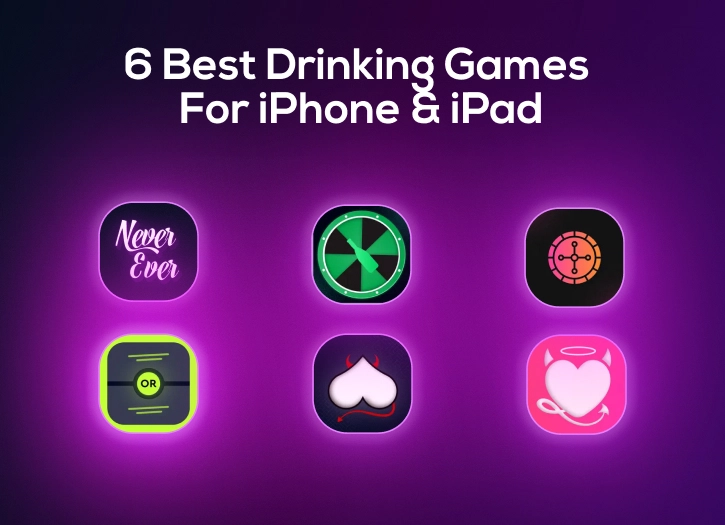
But here's the best part: you don't have to rely on this blog post every time you want to play. We have an app that you can download right now, giving you access to a never-ending supply of naughty questions. No need to worry about keeping track of the printed cards or losing them in the midst of the excitement. With just a few taps on your phone, you can indulge in the cheeky fun of Never Have I Ever whenever and wherever you please.
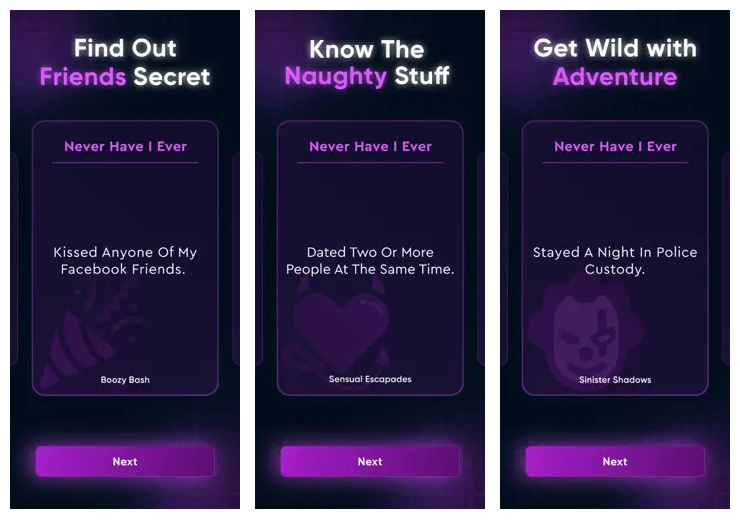
So, why wait? Take the plunge into a world of unfiltered entertainment and download our app today. Prepare to be shocked, amused, and maybe a little bit turned on as you unravel the hidden desires and wild experiences of yourself and your friends. With our Dirty Edition 2023, the limits are pushed and inhibitions are shed. Let the games begin!
Can you imagine the uproarious laughter as you move closer to completing your bingo sheet, checking off the scandalous tales you and your friends have confessed to? Picture the clinking of glasses as you take a sip for every question that reveals your adventurous spirit with this popular drinking game. And for couples, prepare for a night of delightful discovery as you share intimate and dirty secrets and explore new realms.
Are you ready to turn up the heat and dive into the thrilling world of Dirty Never Have I Ever? Get your party started with our collection of 30 enticing questions that will leave you and your friends gasping for more!
1. Never have I ever had a one-night stand.
2. Never have I ever gotten busy in a public place.
3. Never have I ever watched adult content with someone else.
4. Never have I ever sent a naughty text to the wrong person.
5. Never have I ever used handcuffs or restraints during intimate activities.
6. Never have I ever had a threesome.
7. Never have I ever sexted someone I barely knew.
8. Never have I ever had a romantic encounter in a car.
9. Never have I ever used food in the bedroom.
10. Never have I ever had a friends-with-benefits arrangement.
11. Never have I ever used Sluts Finder.
12. Never have I ever hooked up with someone twice my age.
13. Never have I ever role-played during intimate moments.
14. Never have I ever engaged in phone or video sex.

15. Never have I ever had a steamy dream about a friend's partner.
16. Never have I ever used a sex toy with a partner.
17. Never have I ever had a naughty photo leaked online.
18. Never have I ever had a spontaneous make-out session in public.
19. Never have I ever had a one-night stand with someone I met online.
20. Never have I ever engaged in sexual activity with multiple partners without their knowledge.
21. Never have I ever had a shower make-out session.
22. Never have I ever watched, read, or listened to erotic literature, films, or audio.
23. Never have I ever been stoned in a meeting.
24. Never have I ever had a romantic encounter in a public restroom.
25. Never have I ever used whipped cream or chocolate during intimate activities.
26. Never have I ever had a fantasy about a celebrity.
27. Never have I ever engaged in a role-playing scenario involving a power dynamic.
28. Never have I ever had a one-night stand with someone I met at a bar.
29. Never have I ever kissed someone of the same gender.
30. Never have I ever had a steamy encounter in an elevator.
These questions are perfect for teenagers looking to add an extra thrill to their gatherings, these questions will unveil secrets, tease boundaries, and create unforgettable memories. Whether you're looking to push your own limits or simply curious about your friends' experiences, this game is sure to get everyone excited.
31. Never have I ever asked or sent nudes.
32. Never have I ever gone to a sex toy shop.
33. Never have I ever kissed an older person.
34. Never have I ever been spanked.
35. Never have I ever been to a strip club. (Also Check: Best Strip Games for Couples)
36. Never have I ever drunk till I was wasted.
37. Never have I ever had to #2 at school.
38. Never have I ever flirted with the teacher.
39. Never have I ever tried pole dancing
40. Never have I ever snuck out of home.
41. Never have I ever been caught sending revealing selfies.
42. Never have I ever kissed a member of the same sex
43. Never have I ever cried after making out.
44. Never have I ever been involved in illegal activities
45. Never have I ever given someone a lap dance.
46. Never have I ever been caught masturbating.
47. Never have I ever taken a photo in the shower.
48. Never have I ever peed in a bottle
49. Never have I ever crashed my ex’s birthday party
50. Never have I ever tried Weed
51. Never have I ever done something under peer pressure
52. Never have I ever uploaded a nude photo on social media
53. Never have I ever watched someone having sex.
54. Never have I ever spit on someone.
55. Never have I ever gone commando
56. Never have I ever gone clubbing using fake id
57. Never have I ever peed/pooped my pants
58. Never have I ever spiked someone’s drink
59. Never have I ever given/got oral pleasure.
60. Never have I ever filmed a sex video.
Whether you're playing with your friends, a significant other, or a group of adventurous souls, these questions from Reddit are guaranteed to get you drunk and spill all the beans!
61. Never have I ever cheated on a partner.
62. Never have I ever snooped through someone else's phone.
63. Never have I ever gotten into a physical fight.
64. Never have I ever had sex in a public place.
65. Never have I ever used someone else's toothbrush.
66. Never have I ever stolen something from a store.
67. Never have I ever had a friends-with-benefits arrangement.
68. Never have I ever slept with someone I met online.
69. Never have I ever had a one-night stand with someone I just met.
70. Never have I ever used a fake ID.
71. Never have I ever had a sexual fantasy about a coworker.
72. Never have I ever used a dating app for casual hookups.
73. Never have I ever flirted with getting out of a speeding ticket.
74. Never have I ever slept with a friend's ex.
75. Never have I ever lied about my relationship status to hook up with someone.
76. Never have I ever had a sexually transmitted infection.
77. Never have I ever had sex in someone else's bed without them knowing.
78. Never have I ever role-played during sex.
79. Never have I ever had a sexual encounter with a family member.
80. Never have I ever engaged in role-playing as a dominant or submissive.
81. Never have I ever had a pregnancy scare
82. Never have I ever had a personal or intimate photo leaked without my consent.
83. Never have I ever engaged in sexual activities in a public restroom
84. Never have I ever engaged in cybersex or sexting with someone I've never met in person
85. Never have I ever used a fake name or identity while engaging in online sexual activities
86. Never have I ever fantasized about a friend's partner or spouse
87. Never have I ever said no in the middle of sex.
88. Never have I ever said the wrong name at alter.
89. Never have I ever kissed someone with their consent.
90. Never have I ever stolen money.

In case you’re looking for a couple game, you can consider checking out the list of 5 dirty sex games to spice up a relationship.
From steamy encounters to naughty secrets, these questions will push your boundaries and create playful connections. So grab your partner, pour a glass of wine, and get ready to explore the uncharted territories of your relationship.
91. Never have I ever sent a naughty text to someone other than my partner.
92. Never have I ever used a sex toy during foreplay or sex.
93. Never have I ever used a sex position or technique I learned from watching porn.
94. Never have I ever had a sexual encounter in a place of worship or sacred location.
95. Never have I ever tried anal play.
96. Never have I ever watched porn with my partner.
97. Never have I ever worn your (partner’s) undies to work.
98. Never have I ever engaged in a strip poker or truth or dare game with sexual consequences.
99. Never have I ever role-played during sex.
110. Never have I ever participated in a nude photoshoot.
101. Never have I ever tried bondage or BDSM.
102. Never have I ever participated in a strip tease or lap dance.
103. Never have I ever had a sexual fantasy about someone other than my partner.
104. Never have I ever had a sexual encounter in a movie theater.
105. Never have I ever worn lingerie or a costume to spice things up in the bedroom.
106. Never have I ever had phone or video sex.
107. Never have I ever engaged in a sexual act while someone else is watching
108. Never have I ever had a quickie in a non-traditional location
109. Never have I ever engaged in sexting with someone other than my partner.
110. Never have I ever used a blindfold or been blindfolded during sex.
111. Never have I ever had sex to get something done.
112. Never have I ever had break-up sex.
113. Never have I ever used a flavored lubricant or edible massage oil.
114. Never have I ever engaged in role reversal or power play during sex.
115. Never have I ever lied about my virginity
116. Never have I ever used a sex swing or other sex furniture.
117. Never have I ever urge to pee during sex.
118. Never have I ever watched my partner masturbate.
119. Never have I ever engaged in dirty talk during sex.
120. Never have I ever had a threesome involving two people of the same sex.
Are you ready to unleash your naughty side and dive into a game of Dirty Never Have I Ever? Brace yourself for spicy questions that will push the boundaries and reveal your deepest secrets.
121. Never have I ever kissed my best friend ex’s.
122. Never have I ever told someone "I love you" for sex.
123. Never have I ever been expelled.
124. Never have I ever used makeup to hide a hickey.
125. Never have I ever been caught by police.
126. Never have I ever got the wrong tattoo.
127. Never have I ever clogged a toilet.
128. Never have I ever practiced kissing on the mirror.
129. Never have I ever had a crush on a friend's sibling.
130. Never have I ever been blocked by a celeb.
131. Never have I ever had a romantic dream about a friend’s parent.
132. Never have I ever faked sick to get out of a meeting.
133. Never have I ever smelled my partner’s underwear.
134. Never have I ever had a foot fetish.
135. Never have I ever drunk-dialed my hot professor
136. Never have I ever been involved with a criminal
137. Never have I ever faked orgasm
138. Never have I ever moaned too loud that neighbors complained
139. Never have I ever had a hookup while on vacation.
140. Never have I ever had a romantic encounter under the stars.
141. Never have I ever had sex in the swimming pool.
142. Never have I ever got a boner in the wrong place
143. Never have I ever been caught jerking
144. Never have I ever been involved with Boss
145. Never have I ever reused a condom
146. Never have I ever used a vibrator in public place
147. Never have I ever pretended to be drunk to confess something
148. Never have I ever lied about my age
149. Never have I ever been deprived of sex for months.
150. Never have I ever slept with someone for money.
Hoping this 150 Never Have I Ever Questions Dirty Edition 2023 bought unforgettable fun. To discover new boundaries and create lasting bonds unlock the full experience using the Never Have I Ever game app. It has seamless integration, personalized sets, and crazy questions for even wilder confessions. Let the good times roll!









![5 Dirty Sex Games for Couples on App Store [Intense Foreplay]](https://tlc-cdn.nyc3.digitaloceanspaces.com/images/depositphotos_422487620-stock-photo-beautiful-woman-mask-man-suit.webp)